
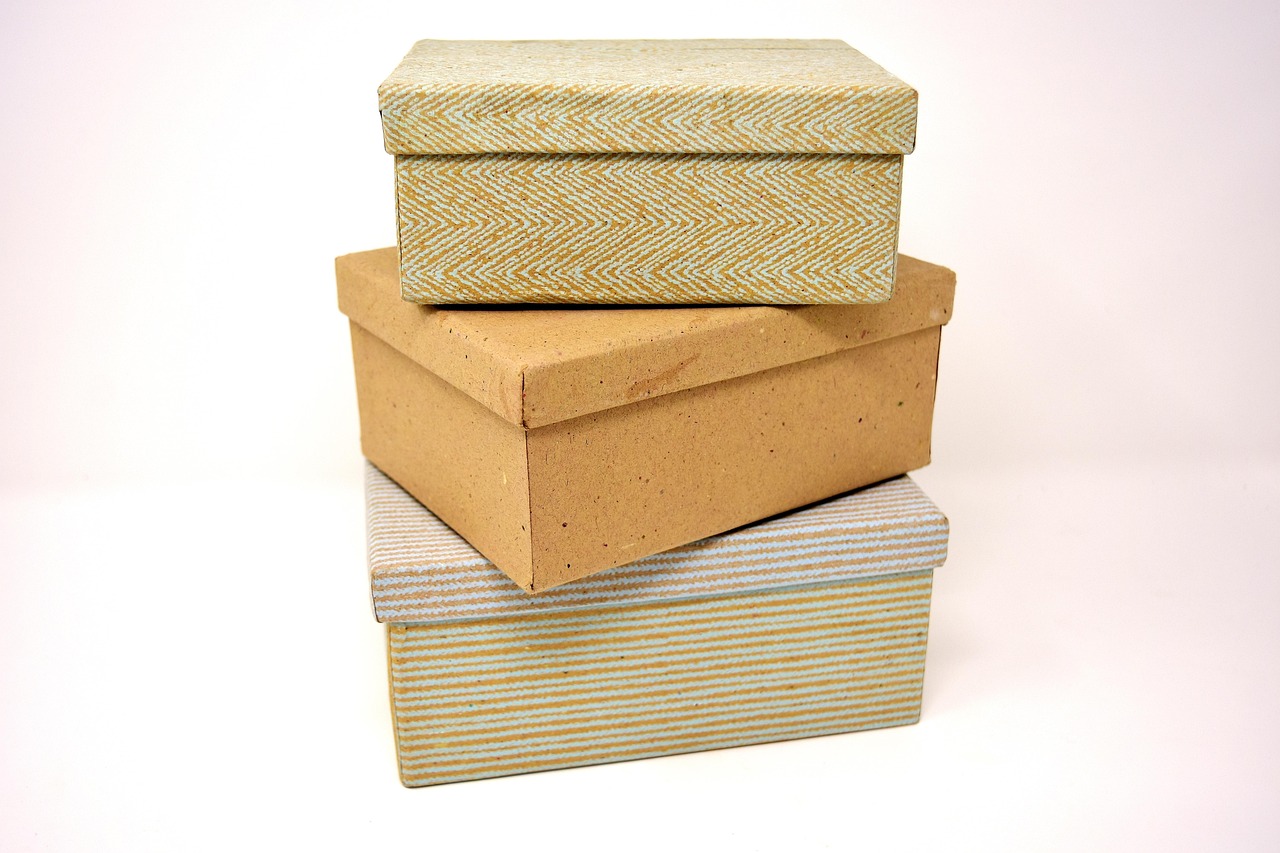
Two articles take aim at over-packaging. Article 10 requires minimisation of every pack, and Article 24 sets a hard empty-space limit for grouped, transport and e-commerce packaging.
Article 10 — minimisation
Packaging must be reduced to the minimum weight and volume necessary to ensure functionality, safety, hygiene and consumer acceptance. Features that exist purely to increase perceived volume — false bottoms, double walls, decorative voids — are not allowed. You must hold an assessment in your technical file justifying the chosen design against minimisation criteria.
Article 24 — the 50% empty-space limit
From 1 January 2030, the empty-space ratio in grouped packaging, transport packaging and e-commerce packaging must not exceed 50%. The ratio compares the empty volume to the total volume of the packaging. For online retailers shipping small items in large boxes, this is a direct design constraint.
How to measure it
Empty-space ratio = 1 − (product volume ÷ packaging volume). A 1-litre product in a 3-litre box has a 67% empty-space ratio — non-compliant. Right-sizing cartons, using more box sizes, or switching to mailers brings it back under the cap.
Practical moves
- Capture product and outer-pack volumes for every SKU so the ratio can be computed automatically.
- Flag any pack over the 50% threshold for redesign well ahead of 2030.
- Document minimisation rationale per packaging type for the technical file.
Some primary packaging and specific formats have exemptions. Check Article 24 and its annex for the detail that applies to you.