
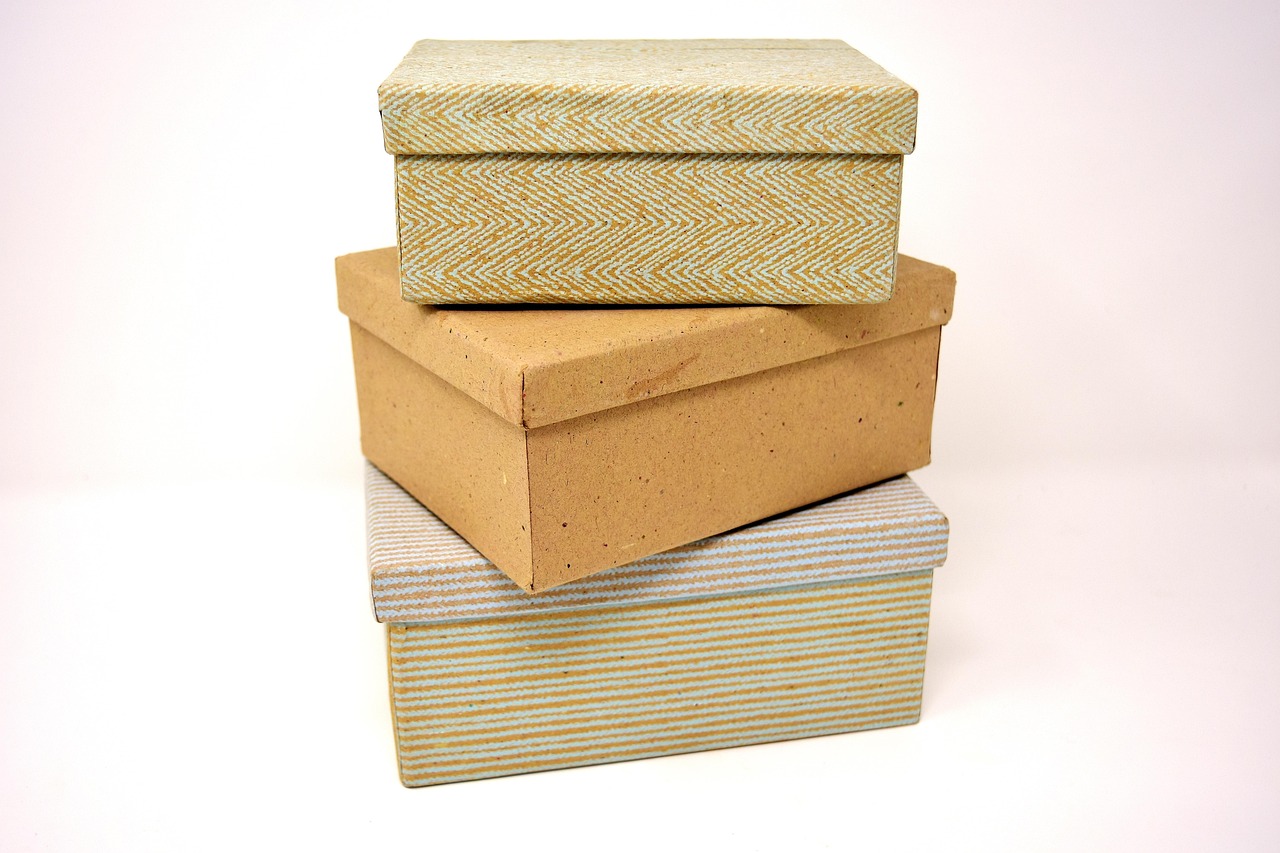
One of PPWR's most visible design rules targets oversized boxes. Under the packaging minimisation provisions (Article 24), grouped, transport and e-commerce packaging must keep its empty space ratio to a maximum of 50%. The design duties phase in later than registration — commonly cited from 2030 — but sellers are redesigning now to avoid a scramble.
What "empty space ratio" means
In simple terms, it is the share of the packaging's internal volume that is not filled by the products (and any necessary protective filling). Ship a small item in a big box and your empty-space ratio is high; right-size the box and it drops.
How to measure it
- Measure the internal volume of the shipping packaging.
- Measure the volume taken by the product(s) plus genuinely necessary protection.
- Empty space = the remainder, expressed as a percentage of the internal volume.
Keep it at or below 50% for the covered packaging types.
Practical ways to comply
- Offer more box sizes so each order gets a closer fit.
- Use right-sizing or made-to-measure packaging for irregular items.
- Reduce void fill by matching the box to the contents, not the other way round.
- Remember lighter, smaller packaging also cuts your EPR fees.
Model the packaging weight and material side of the equation with the free Packaging EPR Calculator.
The exact scope, formula and start dates are set out in PPWR and its implementing acts. Verify the precise rule for your packaging format before redesigning at scale.